 Chinese
Fischer-Tropsch Wax Market Analysis
2024-7-18
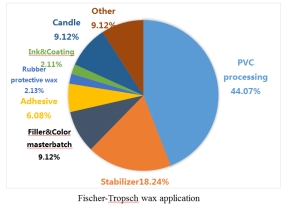
Fischer-Tropsch wax is a synthetic wax produced through Fischer-Tropsch synthesis technology, using syngas (a mixture of CO and H2) as raw material, and undergoing processes such as hydrogenation and fractionation. Its main components are saturated high molecular weight n-alkanes, with an average carbon number greater than 20 and a relative molecular weight above 500. Fischer-Tropsch wax contains more than 90% n-alkanes, essentially free from cyclic hydrocarbons and aromatics, and does not contain sulfur or nitrogen compounds. It is solid at room temperature, chemically stable, non-corrosive, and non-toxic. Fischer-Tropsch wax is primarily used in the fields of PVC processing, calcium zinc stabilizers, filler masterbatches, color masterbatches, candles, hot melt adhesives, rubber protective waxes, inks, and coatings.
According to the latest report by QYResearch, it is estimated that by 2030, the global market value of Fischer-Tropsch wax will reach $1.18 billion, with an annual compound growth rate of 6.9% in the coming years. In terms of product types, refined Fischer-Tropsch wax still holds a dominant position, accounting for approximately 87.2% of the market share. 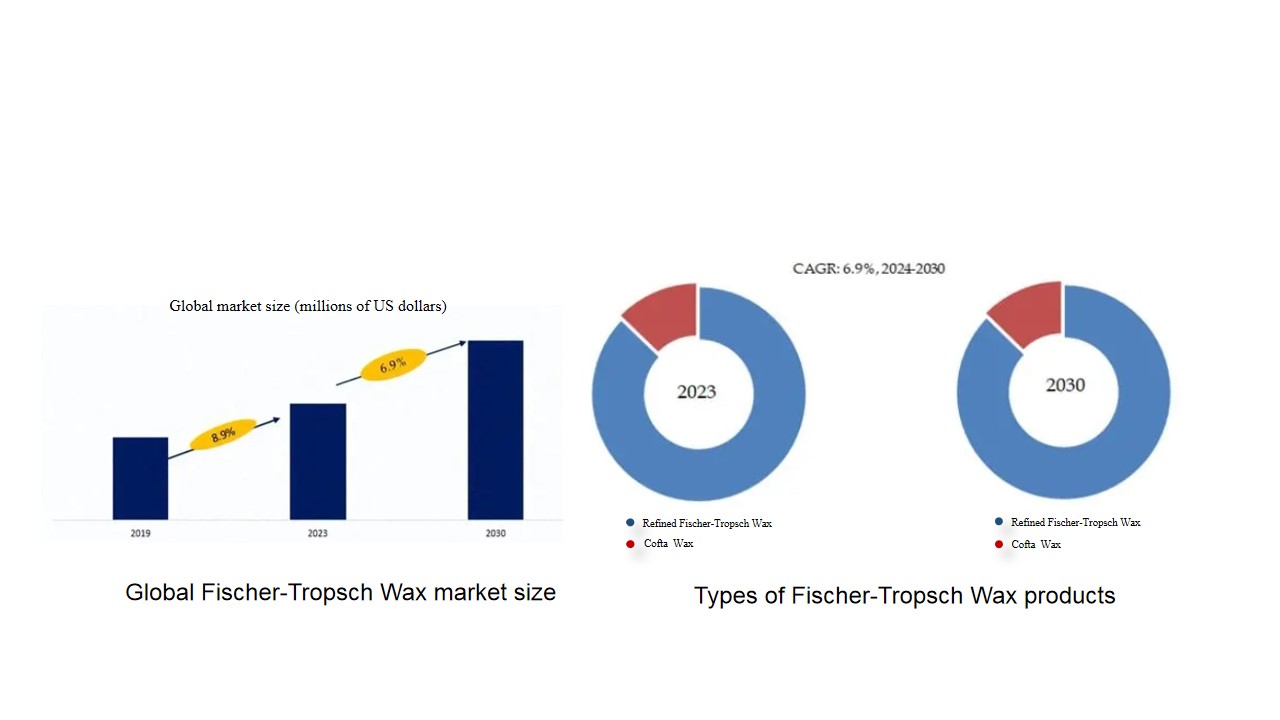
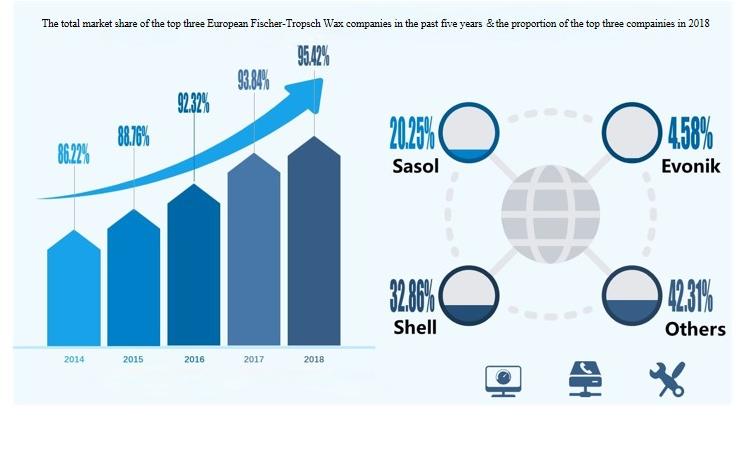
The European market for Fischer-Tropsch wax is mainly concentrated in developed countries, with relatively less market share in underdeveloped countries. Germany, the United Kingdom, France, and Italy are far ahead in development, accounting for 24.16%, 14.64%, 14.37%, and 10% respectively in 2018. In recent years, due to its high quality and favorable market environment, the European Fischer-Tropsch wax has shown good prospects for development, with both sales volume and unit price on an upward trend. Among them, the market shares of Dutch Shell, South African Sasol, and German Evonik companies account for 93.85% of the European Fischer-Tropsch wax market.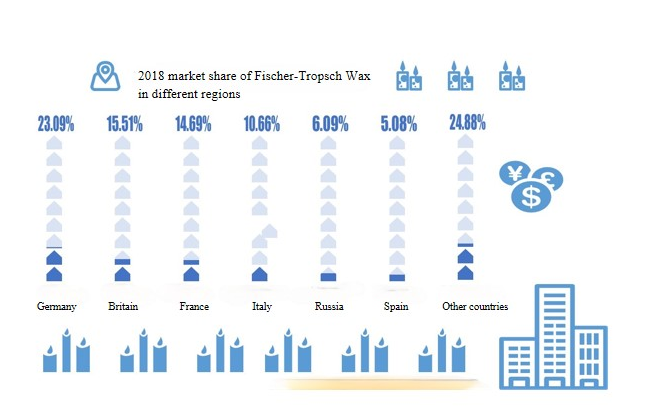
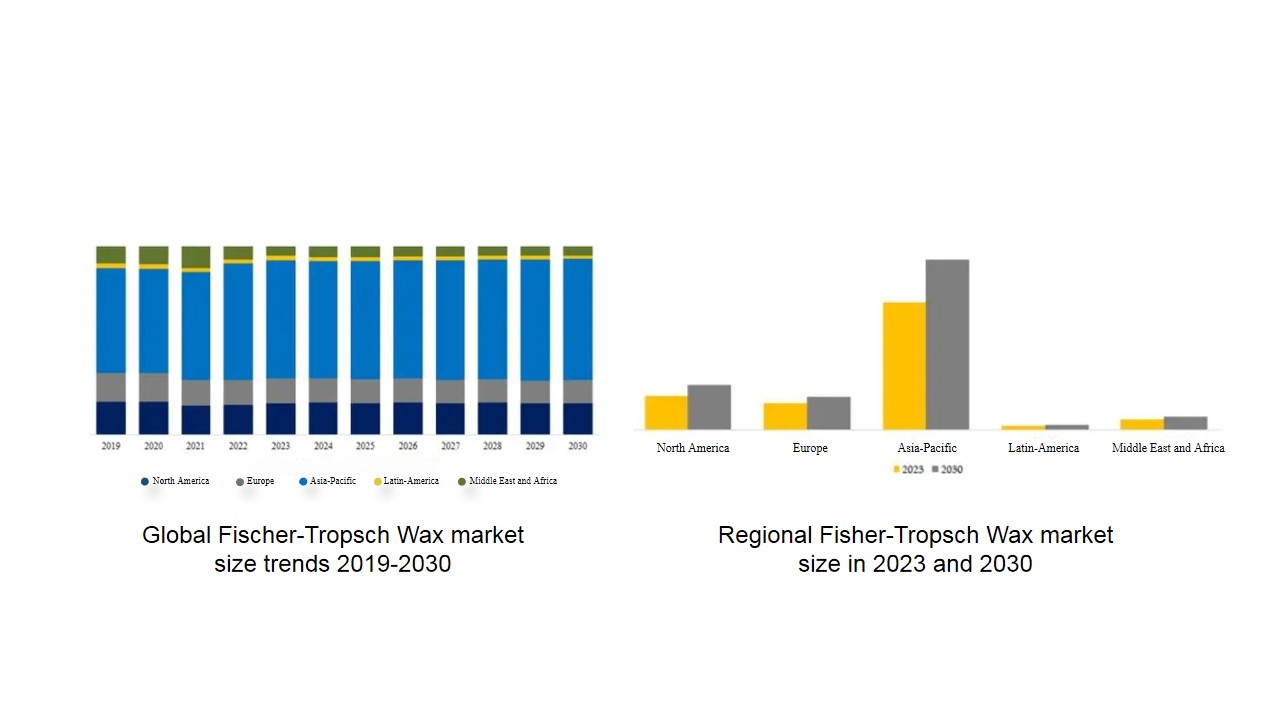
Globally, the Asia-Pacific region dominates the Fischer-Tropsch wax market and is expected to continue growing steadily, with huge market potential.
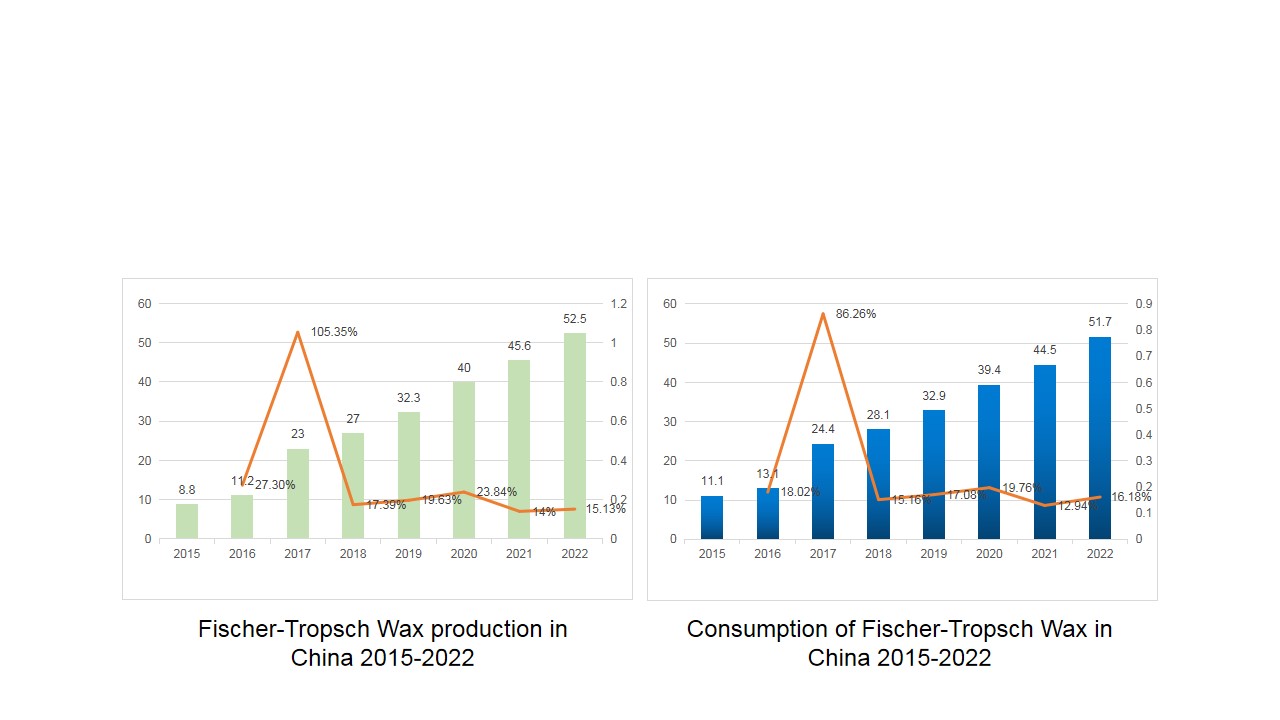
As for the Chinese market, since 2015, consumption has been increasing due to the gradual replacement of paraffin wax, from 111,000 tons in 2015 to 517,000 tons in 2022, and production also increased from 88,000 tons to 525,000 tons in 2022.